

Picture this: you're mid-run, the sun low on the horizon, the wind picking up, and light sneaking in from every angle except the one your sunglasses are actually covering. That's the wraparound problem in reverse. Standard frames leave gaps. Wraparound frames don't. Here's what makes them different, when they're worth it, and what to look for before you buy.
What Wraparound Sunglasses Actually Are
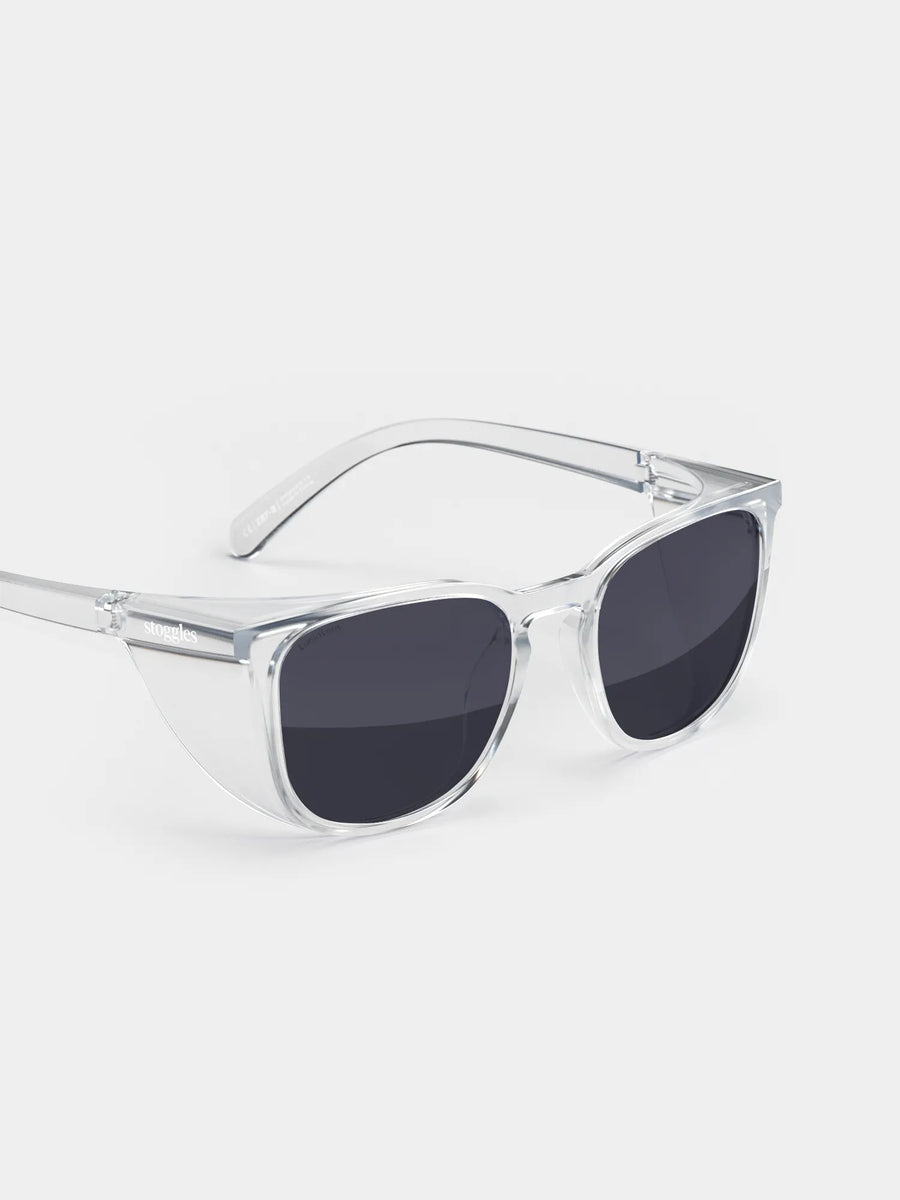
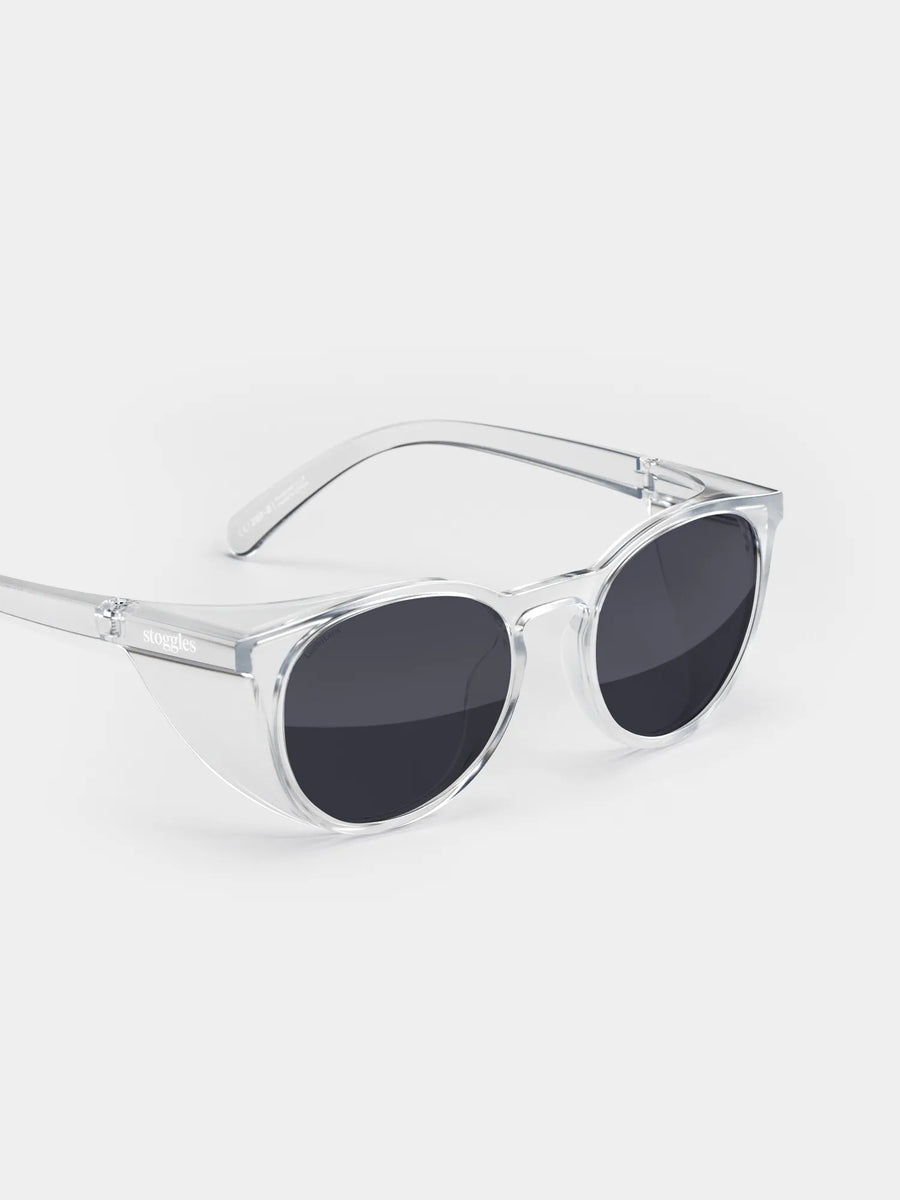
A wraparound frame uses a curved lens that extends beyond the temples, following the natural shape of your head rather than sitting flat across your face. That curve isn't decorative. It closes off the top and side gaps that standard flat lenses leave completely open.
The payoff is peripheral protection that front-facing lenses can't provide. Light, wind, and debris don't check which direction you're facing before they hit. Wraparound frames are built with that in mind.
Are Wrap Around Sunglasses Better Than Standard Frames?
The honest answer: it depends entirely on what you're doing. In high-exposure conditions, wraparounds outperform flat frames by a clear margin. Cyclists, outdoor workers, and anyone spending long stretches in direct sun will feel the difference fast. Side coverage alone cuts squinting and eye fatigue in ways a standard lens simply can't.
For lower-exposure situations, a standard frame is perfectly fine. Driving around town or sitting on a patio doesn't call for full peripheral coverage. The style trade-off is real, and for casual everyday wear, a flat frame often wins. The move is to match the frame to the activity, not to default to one or the other out of habit.
Why People Wear Wraparound Sunglasses
The most straightforward reason is UV protection from angles standard lenses miss entirely. The American Optometric Association points out that UV exposure from the sides and above contributes to long-term eye damage, including cataracts and macular degeneration. A wraparound frame covers those entry points.
Beyond UV protection, wraparounds keep wind, dust, and debris out during outdoor activities. Runners and cyclists know that wind-driven particles are a constant irritant over a long day outside. Eye fatigue is another factor that gets underestimated. Squinting against side glare for hours adds up, and wrapping the lens around that exposure cuts the strain considerably.
Who Actually Needs Them

Some people need wraparound coverage, not just prefer it. Cyclists, runners, and skiers face sustained wind at speeds where debris becomes a genuine hazard. Outdoor workers in construction, landscaping, or agricultural settings are exposed to airborne particles throughout their shift. For those groups, wraparound frames aren't optional.
Anyone managing light sensitivity or dry eye also benefits from the added shield. Less wind contact means less moisture evaporation, which matters when your eyes are already prone to dryness. For safety-conscious wearers who need ANSI-rated side protection, a wraparound design is often the only frame that meets compliance requirements. The CDC estimates around 800,000 work-related eye injuries happen in the U.S. each year, with the vast majority preventable through proper protective eyewear.
What to Look for in a Wraparound Frame
Lens material matters more than most people think. Polycarbonate is the go-to for impact resistance. It's lighter than glass or standard plastic, and it's the material behind ANSI Z87.1-2020 certification, which sets the impact threshold for occupational and protective eyewear.
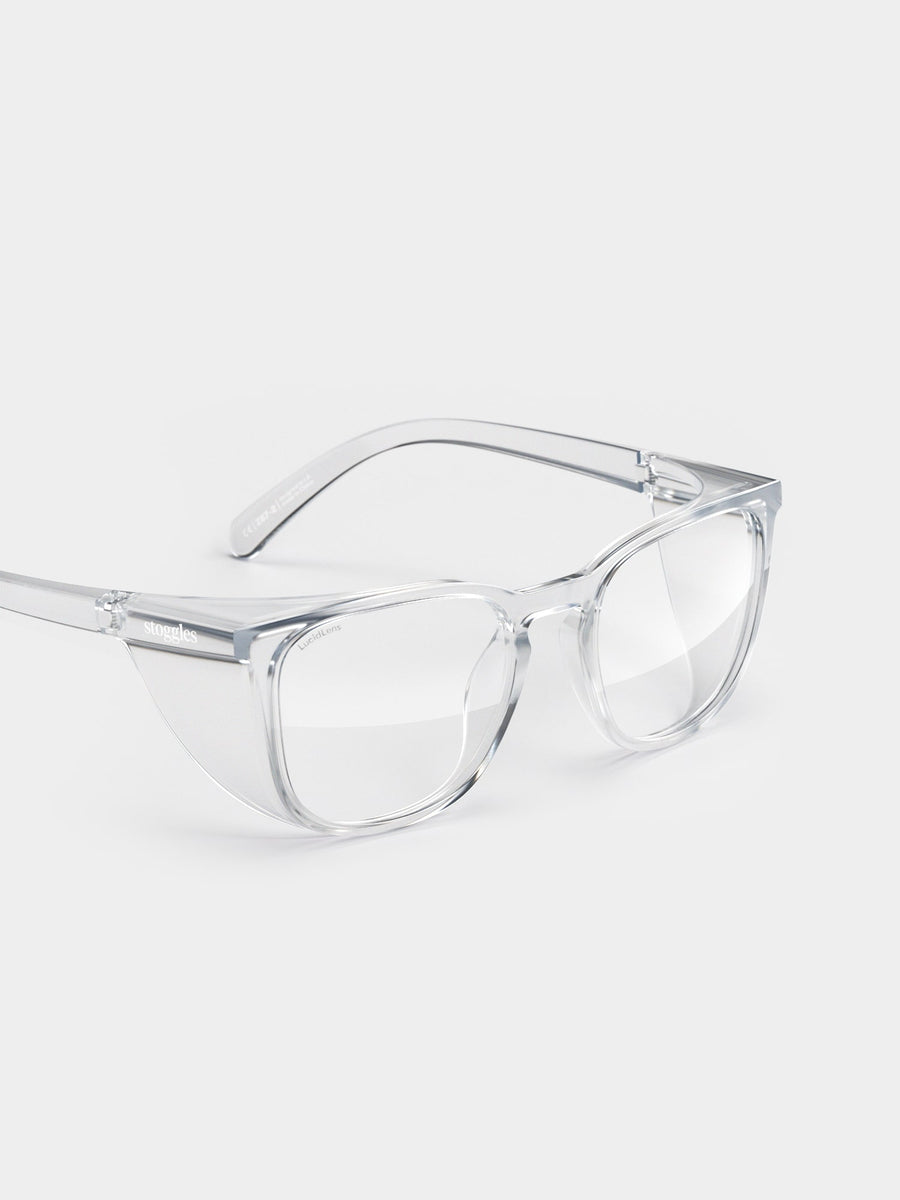
UV rating is equally important. UV400 means the lens blocks wavelengths up to 400 nanometers, completely covering both UVA and UVB. Anything rated below that leaves a gap. Anti-fog coating is worth prioritizing for high-exertion or humid conditions. A fogged lens mid-run or on a job site isn't an inconvenience; it's a visibility hazard. And if you wear prescription lenses, wraparound compatibility is more available than most people expect. Prescription wraparound frames exist and eliminate the old problem of stacking safety eyewear over corrective glasses.
The Style Problem (And How It's Been Solved)
Old-school wraparounds had one look: bulky, sporty, built for a very specific activity and nowhere else. They worked on the trail or the slope, but you weren't wearing them to lunch. That trade-off kept many people from adopting full-coverage frames in everyday situations where they'd actually benefit.
Wraparound sunglasses aren't just for athletes or construction sites. They're for anyone tired of squinting at the edges. When light, wind, or debris come from the side, a standard frame isn't built for the job. The good news: full coverage and frames you actually want to wear are no longer a trade-off.
FAQs
What makes wraparound sunglasses different from standard frames?
Their curved lens extends beyond the temples to follow the shape of your head, closing off the top and side gaps that flat lenses leave open for light, wind, and debris.
Are wraparound sunglasses better than regular sunglasses?
It depends on the activity. They clearly outperform flat frames in high-exposure conditions like cycling or outdoor work, but for casual wear like driving around town, a standard frame is fine.
What should I look for when buying wraparound sunglasses?
Polycarbonate lenses for impact resistance, UV400 rating to block UVA and UVB, and anti-fog coating for humid or high-exertion conditions. Prescription wraparound options are also available.
Get Coverage from Every Angle

Standard sunglasses are fine until light, wind, dust, or debris comes from the side. That is where better coverage starts to matter. Stoggles give you the protective benefits your eyes need outdoors, with UV protection, an impact-ready design, side and top shields, anti-fog performance, and styles that don't look like old-school sport goggles.
Whether you are driving, working outside, gardening, traveling, or just tired of squinting through side glare, upgrade to eyewear built for real movement and real exposure by shopping SunStoggles protective sunglasses.