

You're mid-procedure, mid-cut, or mid-rep, and your lenses go white. Everything stops. You wait it out, wipe them down, or do the thing you're not supposed to do: pull off your protective eyewear entirely. Fogging sounds like a minor inconvenience until it hits at exactly the wrong moment. We want to break down why it happens and how to fix it for good.
The Real Reason Your Glasses Fog Up
Fog on lenses is condensation. When warm, humid air from your face or surroundings meets a lens surface cooler than the dew point of that air, moisture condenses and forms tiny water droplets that stick to the lens. That's all it is.
Cold weather makes it worse because the lens temperature drops further below the warm air rising off your skin. Masks make it dramatically worse by redirecting breath upward, straight onto the lens surface. High-humidity environments, such as a hospital corridor or a summer job site, increase the amount of moisture available to deposit even when the temperature gap is smaller.
Safety glasses and close-fitting frames speed up the problem. A snug fit traps warm air against your face and creates a small humid pocket right behind the lens. Regular eyewear sits farther from the face and allows more air to flow through. The tighter the seal, the faster condensation builds.
When Fogging Becomes a Real Safety Problem
In a lab, a fogged lens means you might misjudge a pour, misread a measurement, or reach unquestioningly near a chemical hazard. On a job site, impaired visibility around power tools or moving equipment is a real risk. In a medical setting, a nurse or technician working through clouded eyewear is at a disadvantage at the exact moment precision matters most.
The reflex response is the real danger. When lenses cloud over, people remove their protective eyewear. The CDC reports approximately 2,000 workers sustain eye injuries on the job every day in the United States, with roughly 800,000 eye injuries occurring annually. A significant number happen to people who were not wearing protection or removed it during a task. Fog is one of the most common reasons people take safety glasses off mid-job.
Quick Fixes That Work in a Pinch

When you need a fast solution, a few methods actually hold up. Dish soap and water are the oldest trick and still one of the best. A thin layer of diluted dish soap applied to both sides of the lens and wiped off leaves a surfactant film that disrupts condensation. Anti-fog sprays and wipes work on the same principle and are easy to keep in a pocket for regular reapplication.
Fit adjustment helps too. Slightly loosening the frame or tilting glasses forward a few millimeters creates airflow channels that let warm air escape before it condenses. A few methods to skip entirely:
-
Toothpaste: abrasive and likely to scratch lenses.
-
Raw potato: a persistent internet myth with no reliable results.
-
Saliva: unhygienic and inconsistent.
-
Undiluted baby shampoo: leaves residue that blurs vision.
These fixes buy time. They do not solve the underlying problem.
Permanent Solutions Worth Knowing About
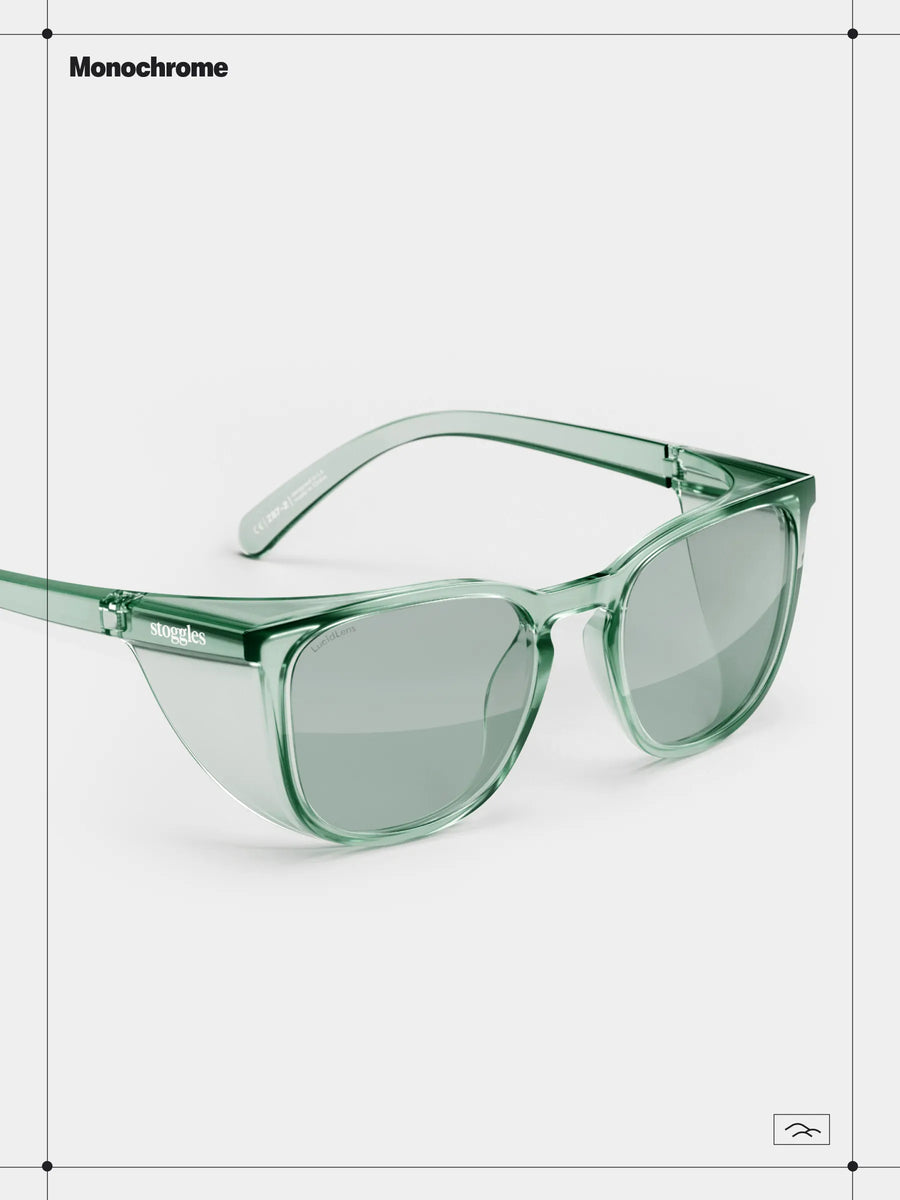
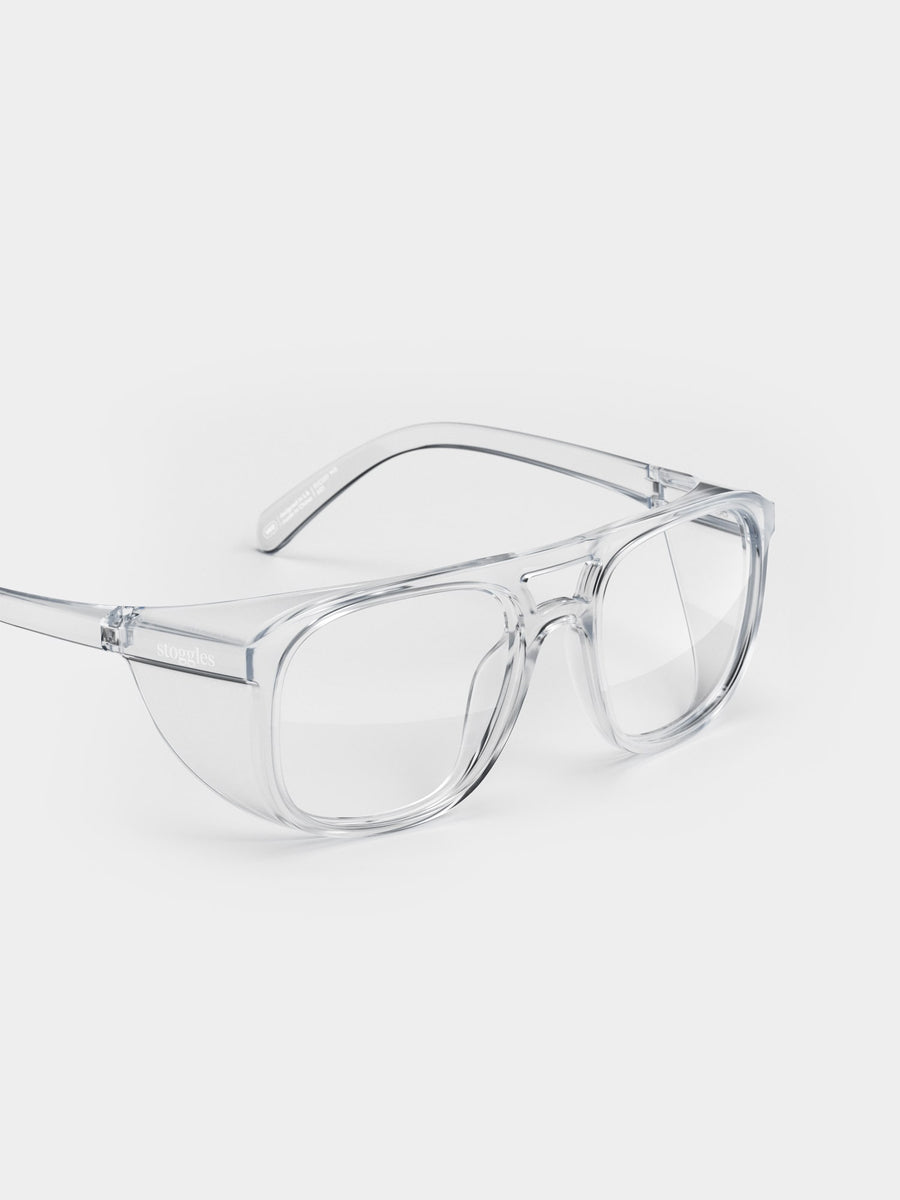
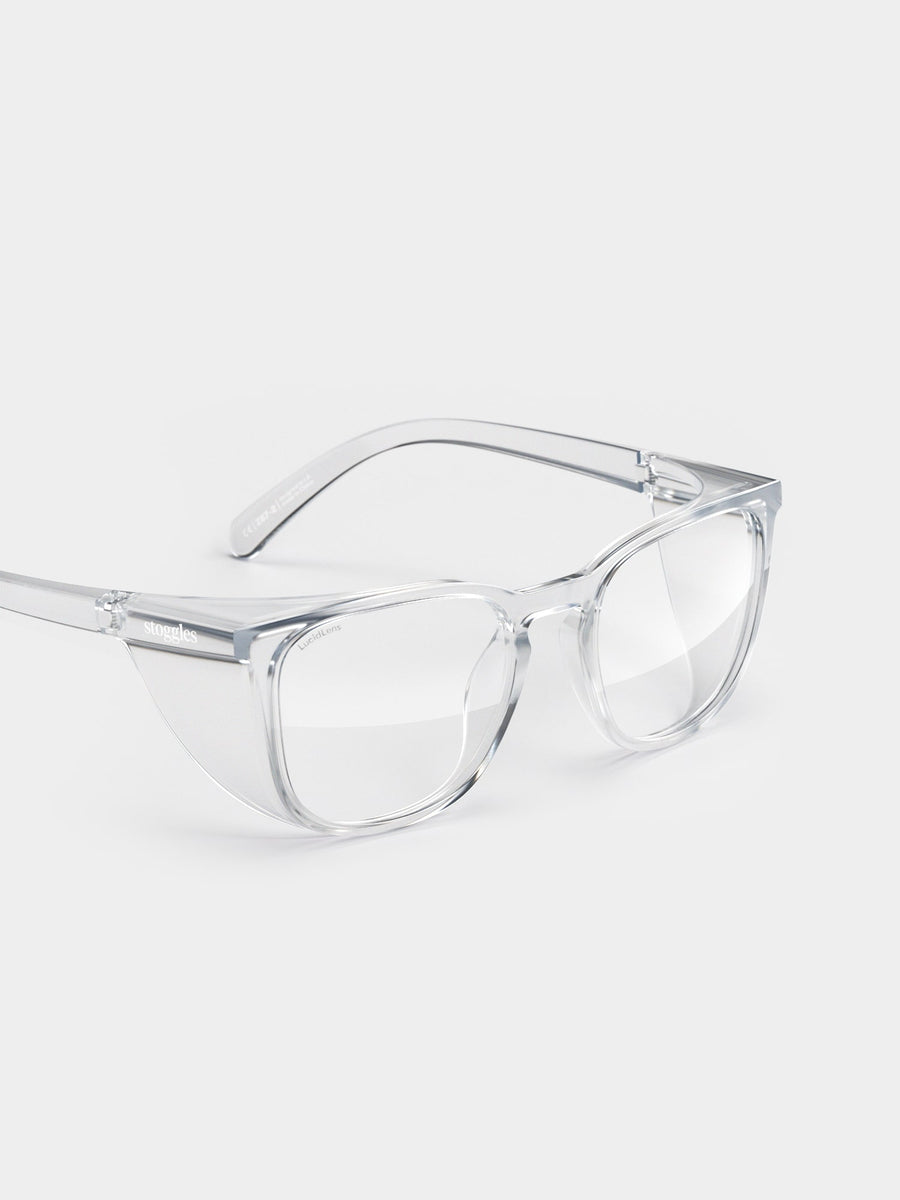
Quick fixes can help in a pinch, but the best anti-fog solution is built into the eyewear before the problem starts.
Anti-Fog Lens Coatings
Factory-applied anti-fog coatings bond directly to the lens material during manufacturing. They alter the surface tension of the lens, so water spreads into a thin, transparent film rather than clustering into vision-blocking droplets. Spray-on treatments do the same thing temporarily, but they wear off with cleaning and contact. A factory coating remains effective throughout the life of the lens and holds up in high-humidity, high-activity environments where a spray treatment would fail within hours.
Frame Design and Ventilation
Frame shape directly influences how air moves around the lens. Frames that sit close to the face with no ventilation channels trap warm air and create exactly the conditions fog needs. Designs with indirect ventilation, small channels along the top or sides that allow air movement without opening a direct path for debris or splashes, manage airflow without sacrificing protection. Top and side shields that incorporate ventilation work especially well for people moving between warm and cold environments throughout a shift.
Upgrading to Purpose-Built Eyewear
Standard everyday glasses were not engineered with condensation in mind. They sit where they sit, use whatever coating the manufacturer applied, and offer no structural answer to fogging. Safety eyewear built for active, high-humidity, or occupational use addresses the problem from the ground up.
When fog keeps coming back, the issue usually is not your cleaning routine. It is whether your eyewear was designed to fight fog in the first place.
Mask Fogging: A Specific Fix for a Specific Problem
Mask fogging has its own cause and its own fix. When a mask doesn't seal tightly along the nose bridge, exhaled air finds the path of least resistance straight upward onto your lenses. A secure nose-bridge fit, whether from a bendable wire in the mask or a proper adjustment, stops that airflow at the source. Positioning glasses slightly forward on the nose also creates a small gap that lets warm air disperse before it hits the lens surface.
Fog is a physics problem, and physics problems have real answers. The right eyewear addresses it at the source so you never have to stop mid-task to wipe your lenses or remove protection entirely. For anyone wearing safety glasses in an active environment, purpose-built anti-fog eyewear is the obvious, practical choice.
FAQs
Why do my glasses fog up?
Fog is condensation. When warm, humid air meets a surface cooler than the air's dew point, moisture condenses into tiny droplets on the surface. Cold weather, masks, and close-fitting frames all make it worse.
Do quick fixes like dish soap or anti-fog sprays actually work?
They help temporarily by leaving a surfactant film that disrupts condensation, but they wear off with cleaning and contact. They buy time rather than solving the problem.
What is the most reliable way to stop glasses from fogging for good?
A factory-applied anti-fog coating bonded to the lens during manufacturing, paired with frame designs that allow airflow. These last the life of the lens, unlike sprays.
Stop Letting Fog Decide When You Can See

Foggy lenses are not just annoying. They interrupt focus, slow reactions, and tempt people to remove the very eyewear meant to protect them. If fog keeps showing up during work, procedures, workouts, shop projects, or humid commutes, the answer is not another quick wipe. It is eyewear designed to stay clear from the start. 0
Stoggles combine anti-fog performance, impact-resistant safety, UV protection, blue light protection, and everyday style in frames made to stay on when visibility matters most, so the smarter fix is to upgrade to Stoggles safety glasses.