

You sit down on the hotel bed, hear a crunch, and your trip just got harder. Or you step off the plane into humid air and your lenses fog before you reach baggage claim. Eyewear prep is consistently the most overlooked part of packing, and you only notice that when something goes sideways. A solid travel kit for glasses does not need to be complicated. It needs to cover the right things before you need them.
Why a Dedicated Glasses Travel Kit Is Worth It
Travel stresses eyewear in ways your daily routine simply does not. Bags get thrown into overhead bins, frames slip out of coat pockets, and lenses pick up grime faster in unfamiliar environments. That wear adds up over even a short trip.
Replacing a prescription pair abroad is slow and expensive. In many destinations, you are looking at a multi-day wait, a premium price for urgency, and a lot of squinting in between. A small, organized kit sidesteps all of that. The prep takes minutes. The payoff is real peace of mind for the entire trip.
The Core Essentials: What to Pack for Glasses
Every glasses travel kit starts with the same four items. Get these right, and you have covered most of what can go wrong.
-
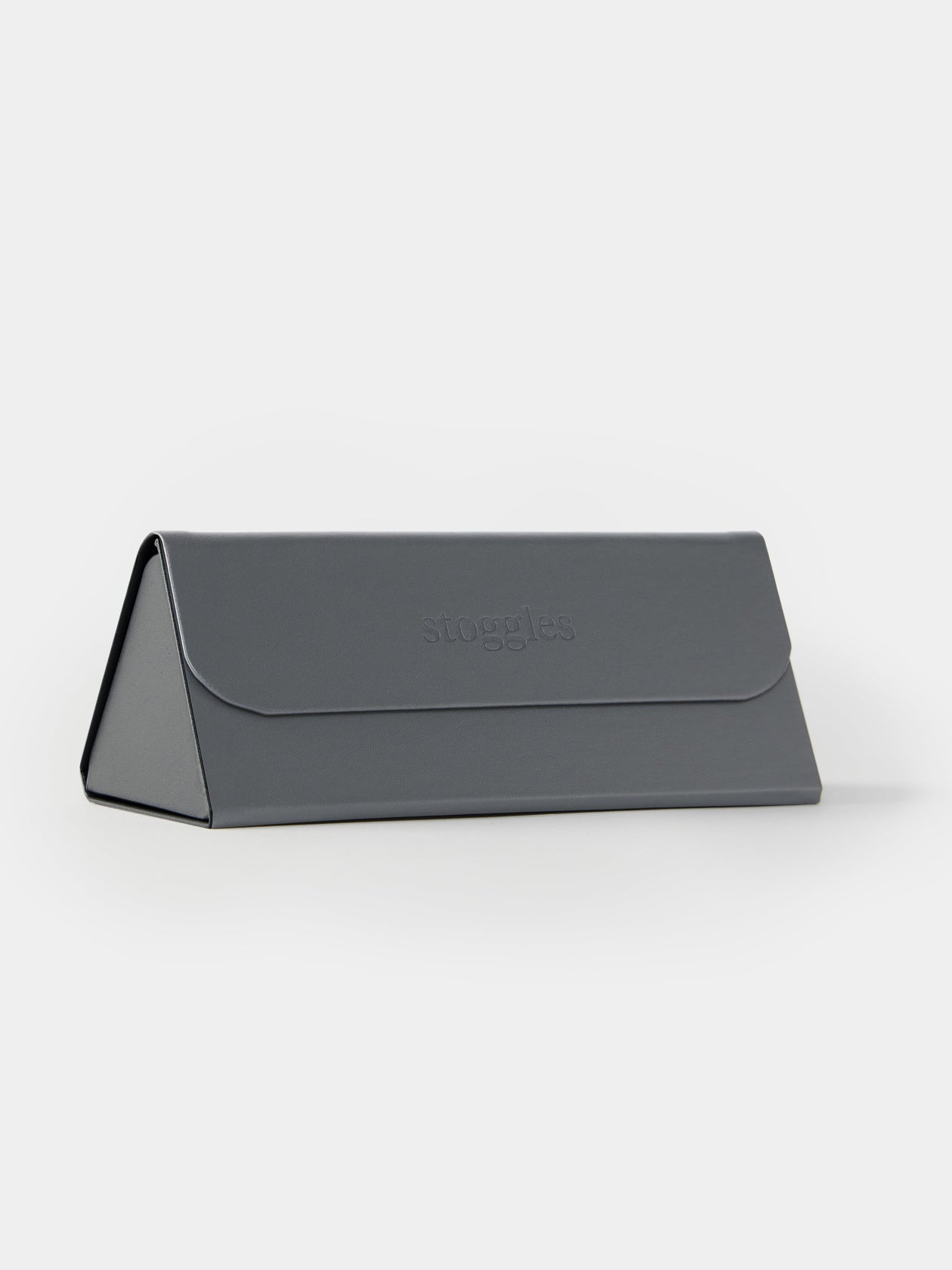
Hard-shell case: A rigid case for your everyday prescription frames is non-negotiable. Soft pouches work fine at home, not in a packed bag that gets sat on.
-
Backup pair: One pair is never enough on the road. A spare set, even an older prescription, is your safety net if the primary pair breaks or disappears entirely.
-
Microfiber cloths and lens spray: Pack at least two cloths and a travel-size spray. Smudged lenses follow you everywhere, and paper towels scratch.
-
Mini repair kit: A small screwdriver, a few spare screws, and replacement nose pads. Frames loosen in heat and humidity, and these kits weigh almost nothing.
With these essentials packed, your glasses are covered for the usual travel chaos: smudges, loose screws, crowded bags, and the one moment you really need clear vision.
Packing Your Sunglasses Without Sacrificing Suitcase Space
Sunglasses need real protection in transit. A hard case is the safest option, though it takes up room. A slim semi-rigid case is a reasonable middle ground, offering more protection than a soft pouch without the full bulk of a hard shell.
Folding frames compress into tighter spaces and are worth considering if you travel frequently. If space is tight and you are heading straight into daylight on arrival, wear your sunglasses through the airport. It frees up bag space and means one less thing to dig out at security.
Traveling with Safety Glasses: What Most Packers Forget

Safety glasses belong in your travel bag more often than most people think. DIY trips, outdoor adventures, hiking, woodworking retreats, and any hands-on activity where debris, dust, or UV exposure is a real factor all call for protective eyewear.
Anti-fog lenses matter considerably more at altitude or in humid destinations where fogging is constant. Impact-resistant, UV-protective frames also pull double duty as sun protection in bright outdoor conditions. The American Optometric Association recommends wearing UV-blocking eyewear anytime you are outside, not only at the beach.
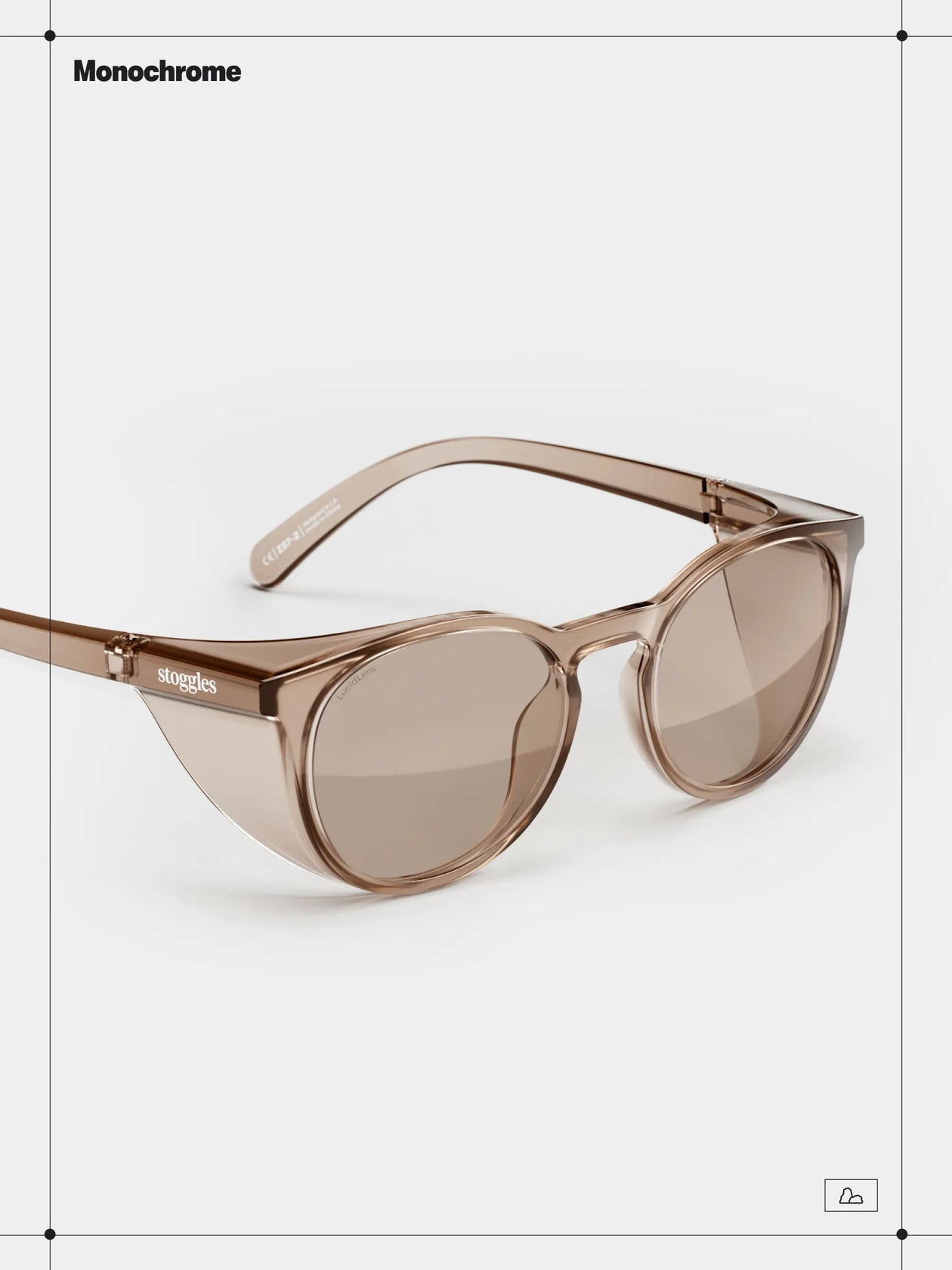
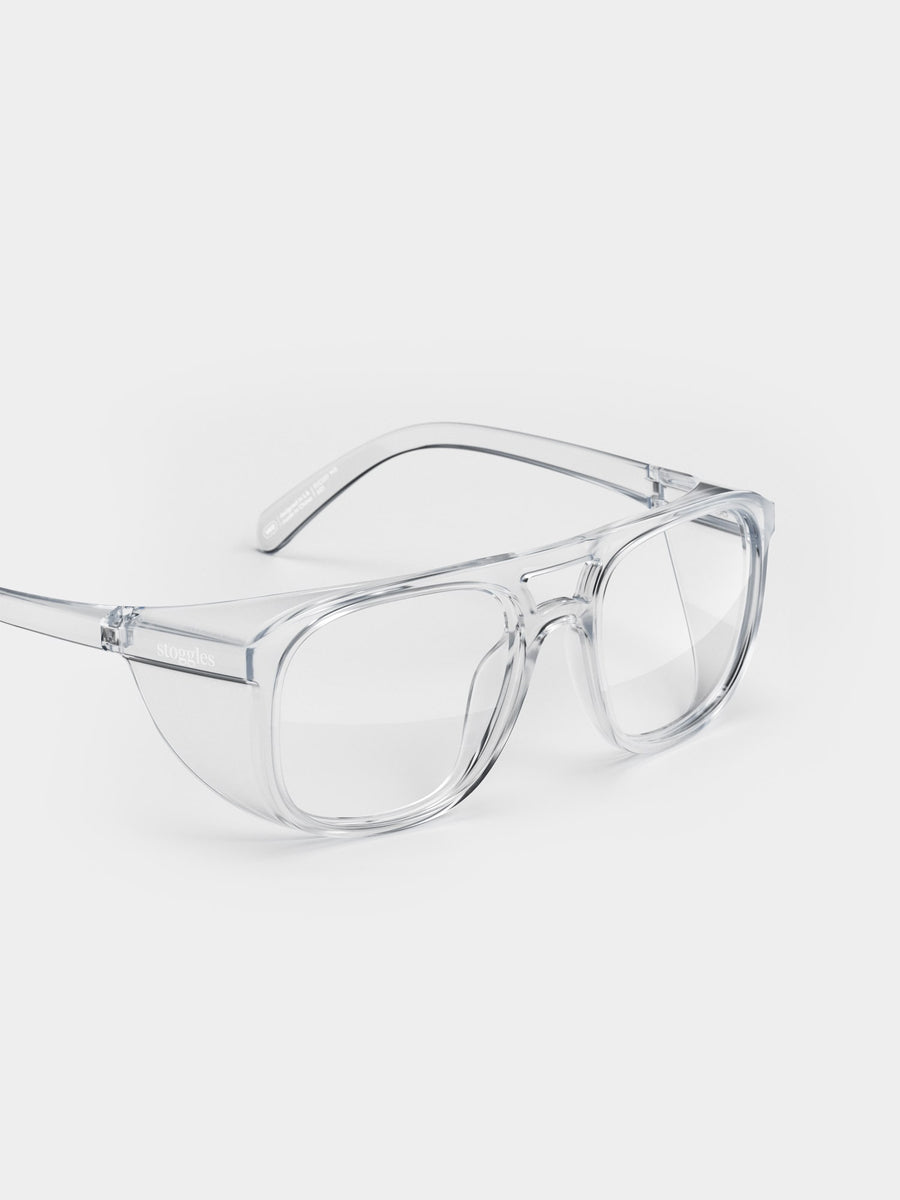
For anyone who wears corrective lenses, prescription safety glasses are the clean one-pair solution. They remove the uncomfortable, fog-prone situation of stacking safety goggles over prescription frames. Stoggles prescription safety glasses meet the ANSI Z87.1-2020 impact resistance standards, include built-in UV and blue-light protection, and feature a proprietary anti-fog coating. They look like regular glasses, which means you will actually wear them.
Contact Lens Travelers: What Belongs in Your Kit Too
Contact lens wearers need to do a little more math before packing. Bring more solution than you think you need, a dedicated case, and a daily buffer supply for longer trips. Running out of solution in places where your brand is not available is a genuine problem.
A backup pair of glasses is non-negotiable for contact lens wearers. Long-haul flights are rough on lenses specifically. Dry cabin air quickly pulls moisture from your eyes, and wearing contacts during an eight-hour flight often means landing with irritated, tired eyes. Switching to glasses mid-flight makes a noticeable difference in how you feel on arrival.
How to Pack Eyewear So It Actually Survives the Trip
Hard cases belong in carry-on bags, not checked luggage. Checked bags get compressed, thrown, and stacked in ways that defeat even a sturdy case. In your carry-on, position the case between soft items like clothing. That padding absorbs impact far better than being wedged between a laptop and a charging brick.
Keep your eyewear accessible through TSA screening. Glasses do not need to be removed from your bag at the checkpoint, but lens spray counts as a liquid and must go in your quart-size bag per TSA carry-on rules. Keeping all eyewear in one pouch moves you through security faster.
What to Do If Your Glasses Are Lost or Broken Mid-Trip
Save a digital copy of your prescription to your phone before you leave, and email it to yourself as a backup. Most optical shops abroad can fill a prescription in 24 to 48 hours if you have the numbers on hand.
Larger cities in most countries have optical shops that turn around basic prescription glasses quickly. That said, none of this beats a backup pair. An emergency plan is a fallback, not a strategy worth relying on.
Your Quick-Reference Glasses Travel Checklist
Before you zip the suitcase, give your eyewear the same quick check as your passport, charger, and boarding pass.
-
Primary prescription glasses in a hard case
-
Backup pair of glasses or contacts
-
Sunglasses with UV protection
-
Safety glasses if your trip involves any hands-on activity
-
Microfiber cloth and lens cleaning spray
-
Mini repair kit with screwdriver and spare screws
-
Digital copy of your prescription
A glasses travel kit takes about five minutes to build and stays packed between trips. Once it is together, it is one less thing to think about at the airport. For anyone who wants UV coverage, anti-fog performance, impact resistance, and style in a single pair, Stoggles frames are worth adding to the kit before your next trip.
FAQs
What are the must-have items in a glasses travel kit?
A hard-shell case, a backup pair, microfiber cloths with lens spray, and a mini repair kit with a screwdriver, spare screws, and nose pads.
Should I pack my glasses case in checked or carry-on luggage?
Carry-on, positioned between soft items like clothing. Checked bags get compressed and thrown in ways that defeat even a sturdy case.
What should I do if my glasses break or get lost mid-trip?
Save a digital copy of your prescription before leaving. Most optical shops abroad can fill it in 24 to 48 hours, but a backup pair is still your best safeguard.
Pack Eye Protection That Actually Keeps Up

Travel is hard on glasses. Your everyday pair gets tossed into bags, sunglasses get squeezed between clothes, and safety glasses are usually remembered only after the trip already starts. Stoggles make that easier by combining impact protection, anti-fog performance, UV coverage, blue light protection, and prescription-ready options in frames you will actually want to wear outside the work zone.
Build the kit once, keep it ready between trips, and make the pair you reach for more useful from airport to job site by shopping Stoggles safety glasses.