
Foldable vs Hard Case for Safety Glasses: Which Is Better?

You reach into your bag, pull out your safety glasses, and find a fresh scratch cutting straight across the lens. It happened somewhere between the parking lot and your workstation. Your polycarbonate lenses, rated to stop a flying projectile, are now blurry in one corner. That scratch did not come from a job site hazard. It came from a zipper.
The case you store your safety glasses in matters more than most people give it credit for. The right one keeps your lenses clear, your coatings intact, and your eyewear actually ready to use. The wrong one turns a solid pair of glasses into a scratched-up reason to leave them at home. So let's look at the two main options: foldable cases and hard cases.
Why the Right Glasses Case Actually Matters
A scratch on a polycarbonate lens is not just a cosmetic problem. It can distort your line of sight, reduce contrast, and make it harder to spot hazards at a distance. Anti-fog coatings and UV-protective treatments are also vulnerable to abrasion when glasses rattle loose in a bag or toolbox.
ANSI Z87.1-2020-certified lenses are built to withstand serious impact. That standard does not cover daily storage abuse. A lens that survives a wood chip traveling at 150 feet per second can still get scratched by a set of keys. And when lenses get damaged, people stop wearing their glasses. That is a direct line to the 800,000 eye injuries that occur in the U.S. each year, even when protective eyewear is available and nearby. Finding the best safety glasses case for your situation is genuinely part of the protection equation.
What Makes a Foldable Glasses Case Worth Considering
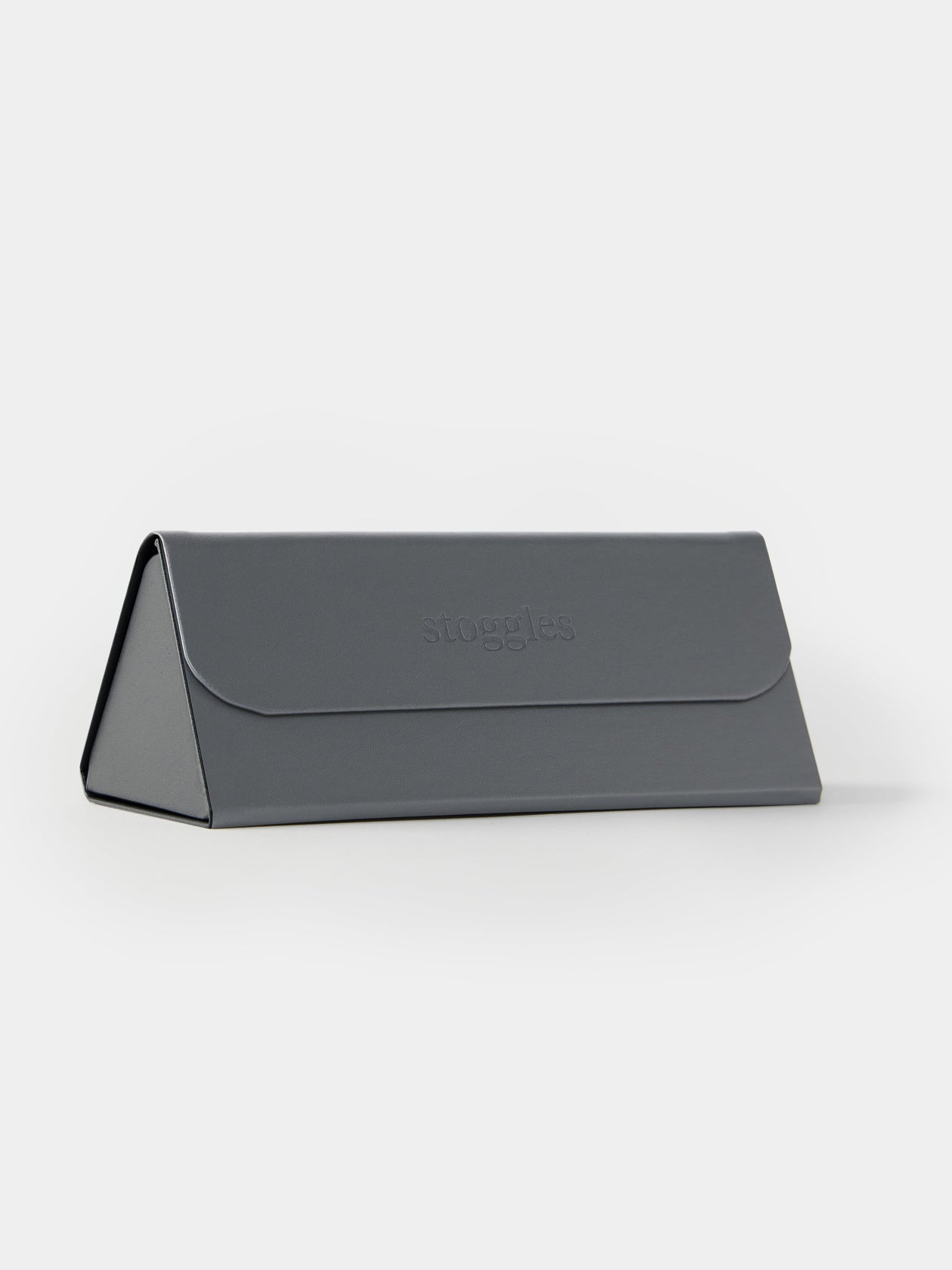
A foldable glasses case collapses to a slim, flat profile that fits in a scrub pocket, a tool belt pouch, or a jacket without adding noticeable bulk. For anyone moving between environments throughout the day, that convenience is real. You are far more likely to store your glasses properly if doing so takes two seconds and zero extra space.
Foldable cases work especially well in healthcare settings, on commutes, during travel, and in everyday carry situations where portability is the priority. A nurse going from a patient room to a procedure area does not want to haul a bulky case. A commuter already carrying a laptop bag has enough to manage.
The trade-off is crush resistance. A foldable case handles light scratching and minor bumps fine, but drop a wrench nearby or stack a heavy bag on top, and it may not hold its shape. For low-impact environments, that trade-off is easy to accept. For active work sites, it deserves a harder look.
What Makes a Hard Case the Go-To for Heavy-Duty Protection

A hard case uses a rigid outer shell, typically plastic or metal, to absorb impact before it reaches your lenses. Drop it, stack gear on top of it, or toss it in a truck bed: the shell takes the hit. For job sites, labs, woodshops, and outdoor work environments, that structural protection is the right call.
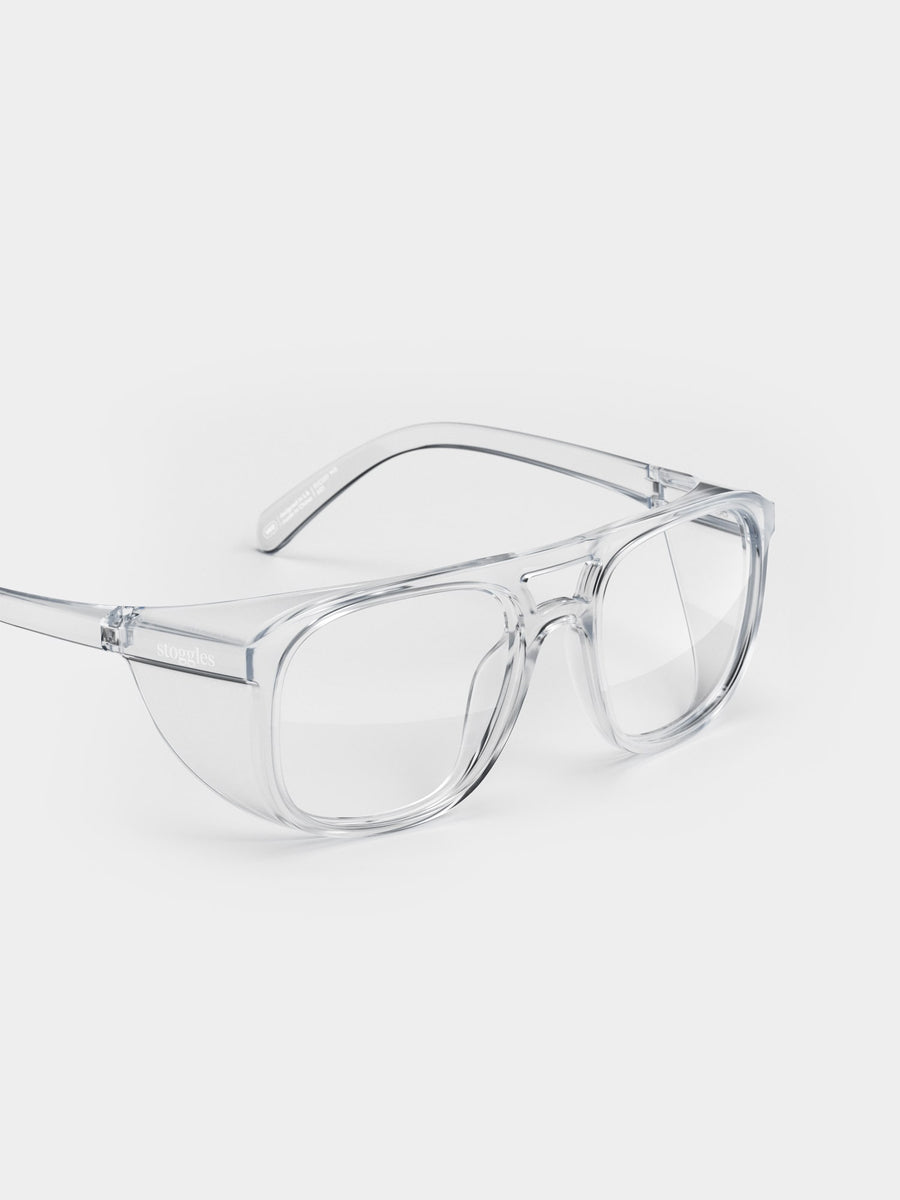
Interior padding and microfiber or velvet lining keep lenses from vibrating against hard surfaces during transport. The best hard cases are also sized to fit frames with top and side shields, which standard eyeglass cases often cannot accommodate.
The bulk is real. A hard case will not fit in a pocket, and it adds weight to any kit. When you consider the cost of replacing scratched prescription safety lenses, though, the extra size becomes easy to justify. That is the heart of the hard-case vs. soft-case debate: protection versus convenience, and which one your daily environment demands.
Hard Case vs Foldable Case: A Direct Comparison
Choosing between a hard case and a foldable case comes down to one simple tradeoff: maximum protection versus everyday portability.
Protection Level
-
Hard cases outperform foldable ones in drop and crush scenarios by a wide margin.
-
Both types protect against scratching when the interior lining is soft and smooth.
-
A foldable case without an interior lining offers minimal protection, regardless of its outer material.
Portability and Convenience
-
Foldable cases fit in spaces a hard case cannot reach: pockets, small pouches, compact bags.
-
Over a full workday, the weight difference between case types adds up in a loaded kit.
Durability Over Time
-
Hard cases hold up well under rough daily use and typically outlast the glasses inside them.
-
Foldable cases can weaken at the fold seams after extended use, especially in warm or humid conditions.
Price Range
-
Foldable cases generally cost less upfront, making them a reasonable backup or travel option.
-
Hard cases cost more but deliver better long-term value, especially when the glasses inside carry a prescription.
For a comparison of glasses cases, the bottom line is this: neither type wins in every dimension. What wins is matching the case to where you actually work and how you actually move.
Which Case Fits Your Lifestyle?
Healthcare and lab workers tend to benefit most from foldable cases. Quick access, slim storage, and easy pocket carry match how those environments actually operate. Construction workers, woodworkers, and tradespeople should lean toward hard cases every time. The environments are rougher, the gear is heavier, and the glasses take a beating just getting to the job.
DIYers and gardeners fall somewhere in between. A hard case is the safer choice for the garage or shed, but a foldable option works fine if the glasses live in a dedicated drawer and rarely get transported. For everyday carry and blue-light protection for users who wear glasses primarily at a desk or during a commute, a slim, foldable case with a soft lining is more than enough. The best safety glasses case is always the one that fits your actual routine.
Features to Look for in Any Safety Glasses Case

The right case should protect your safety glasses as seriously as the lenses protect your eyes.
-
A smooth, non-abrasive interior lining that will not scratch polycarbonate lenses during storage or transport.
-
A secure closure, such as a magnetic snap, a firm zipper, or a click-lock clasp, that stays shut under pressure.
-
Enough interior space to fit frames with top and side shields without forcing the case closed.
-
A built-in microfiber cloth or a dedicated compartment to store one, so a quick clean is always within reach.
A good safety glasses case keeps your eyewear clean, secure, and ready for whatever your day throws at it.
FAQs
Should I choose a foldable or hard case for my safety glasses?
Match the case to your environment. Foldable cases suit healthcare, commuting, and travel where portability matters, while hard cases are best for job sites, labs, and woodshops where drops and crushing are a risk.
Can a case really prevent lens damage if my glasses are ANSI certified?
Yes. ANSI Z87.1-2020 covers impact resistance, not daily storage abuse. A lens that stops a flying wood chip can still get scratched by keys or a zipper in a bag.
What features matter most in a safety glasses case?
A smooth non-abrasive lining, a secure closure that stays shut under pressure, enough room for frames with side and top shields, and a built-in microfiber cloth for cleaning.
Protect the Glasses That Protect You
Your safety glasses should not have to survive loose in a bag, toolbox, glove compartment, or scrub pocket. The right case keeps your lenses clear, your coatings protected, and your eyewear ready the second you need it. Stoggles are built for real protection, with ANSI Z87.1-certified frames, anti-fog lenses, UV and blue light protection, and prescription-ready options that make safety easier to wear every day.
Give that level of protection the storage it deserves, and start with eyewear designed to work as hard as you do by shopping Stoggles safety glasses.