
Do Reading Glasses Just Magnify or Actually Fix Your Vision?

You're at a restaurant, the menu is perfectly legible to everyone else at the table, and you're holding yours at arm's length like you're trying to read a billboard from half a block away. If that scenario hits close to home, you've probably already made peace with reading glasses. What most people haven't made peace with is what those glasses are actually doing. Are they fixing something? Are they just glorified magnifying glasses?
The answer is both simpler and more interesting than most people expect. In this blog, we’ll explain whether reading glasses simply magnify text or actually correct vision, how they work for presbyopia, when OTC readers are enough, and why protective safety readers can be a smarter choice for everyday close-up tasks.
The Short Answer: Are Reading Glasses Just Magnifying Glasses?
Reading glasses and magnifying glasses share the same basic optical principle. Both use convex lenses, ones that curve outward, to make close objects appear larger. So yes, reading glasses do magnify.
The main difference is that reading glasses are more precise. They come in specific strengths, called diopters, and are made to help your eyes focus at a normal reading distance. A magnifying glass can make things look bigger, but it is not designed for your eyes in the same way. So while reading glasses do magnify, they are really built to help with close-up focus.
How Do Reading Glasses Actually Work?
As we age, the natural lens inside the eye gradually loses its flexibility. When we're young, that lens shifts shape easily to focus on objects at different distances. By our 40s, it starts to stiffen, making it harder to focus on anything close up. This is called presbyopia, and it's not a disease or a sign that something went wrong. It's biology doing its thing.
When the lens can't flex enough, light from close objects doesn't land sharply on the retina, and everything at reading distance blurs. A convex lens in a pair of reading glasses bends the incoming light before it reaches the eye, doing the focusing work that the eye's own lens no longer handles as well. The diopter number indicates how much focusing power the lens provides. A +1.00 is mild, a +2.50 is moderate, and a +3.00 sits toward the stronger end of what you'd find over the counter.
Reading Glasses vs. Prescription Glasses: Not the Same Thing
Over-the-counter reading glasses assume both eyes need the same correction. For a lot of people, that assumption lands close enough. For many others, it doesn't. Prescription glasses account for astigmatism, differences in correction between each eye, and other refractive errors that vary from person to person.
If your eyes have different needs and you wear OTC readers anyway, you might notice headaches, eye strain, or a persistent sense that something feels off, even when the text looks readable. OTC readers work fine for people with roughly symmetrical vision and straightforward presbyopia. If anything more complex is going on, a proper prescription is worth pursuing.
So, Do Reading Glasses Fix Your Vision or Just Help You See?

Reading glasses help you work around presbyopia, but they don’t fix it. Remove them, and your close-up vision is the same as it was before. They’re a solution to the symptom, not the cause. Like a ramp beside a set of stairs, they provide easier access without changing the underlying structure.
One myth worth addressing directly: wearing reading glasses does not make your eyes weaker or create dependency. Your presbyopia progresses naturally with age, whether or not you wear readers. Wearing them makes the reading process more comfortable, and nothing more sinister than that.
Choosing the Right Reading Glasses Strength
The right reading glasses strength depends on your typical reading distance and visual needs, not your age alone. Use the following methods as a starting point to find a power that feels comfortable and provides clear, relaxed vision.
The Diopter Chart Method
Printable diopter charts are widely available online. You print one out, hold it at your normal reading distance, and work through different levels of strength until the text looks crisp without strain. Start at +1.00 and move up from there. The lowest strength that gives you clear, comfortable vision at your typical reading distance is your starting point.
Strength by Age (A Rough Guide)
General patterns do exist. People in their early 40s often start around +1.00 to +1.50. By the mid-50s, +2.00 to +2.50 is common. Those in their 60s and beyond may need +2.50 to +3.00. These are rough ranges, not prescriptions. They give you a place to start, but an actual eye exam offers the accuracy age charts can't.
When to See an Eye Doctor Instead
If you're experiencing sudden vision changes, blurriness at distance and up close, or headaches that don't resolve with readers, see a professional. Strengths above +3.00 also generally warrant a proper evaluation rather than continued OTC trial and error.
The right reading glasses should make near vision feel effortless, not overpowered. If close-up text still isn’t clear or comfortable, an eye exam is the best next step.
The Problem with Over-the-Counter Readers (And What to Do About It)
The one-size-fits-all design of drugstore readers works reasonably well for mild, symmetrical presbyopia. For everyone else, it's a compromise. People who need different corrections per eye, or who have astigmatism, often find OTC readers more frustrating than helpful over time.
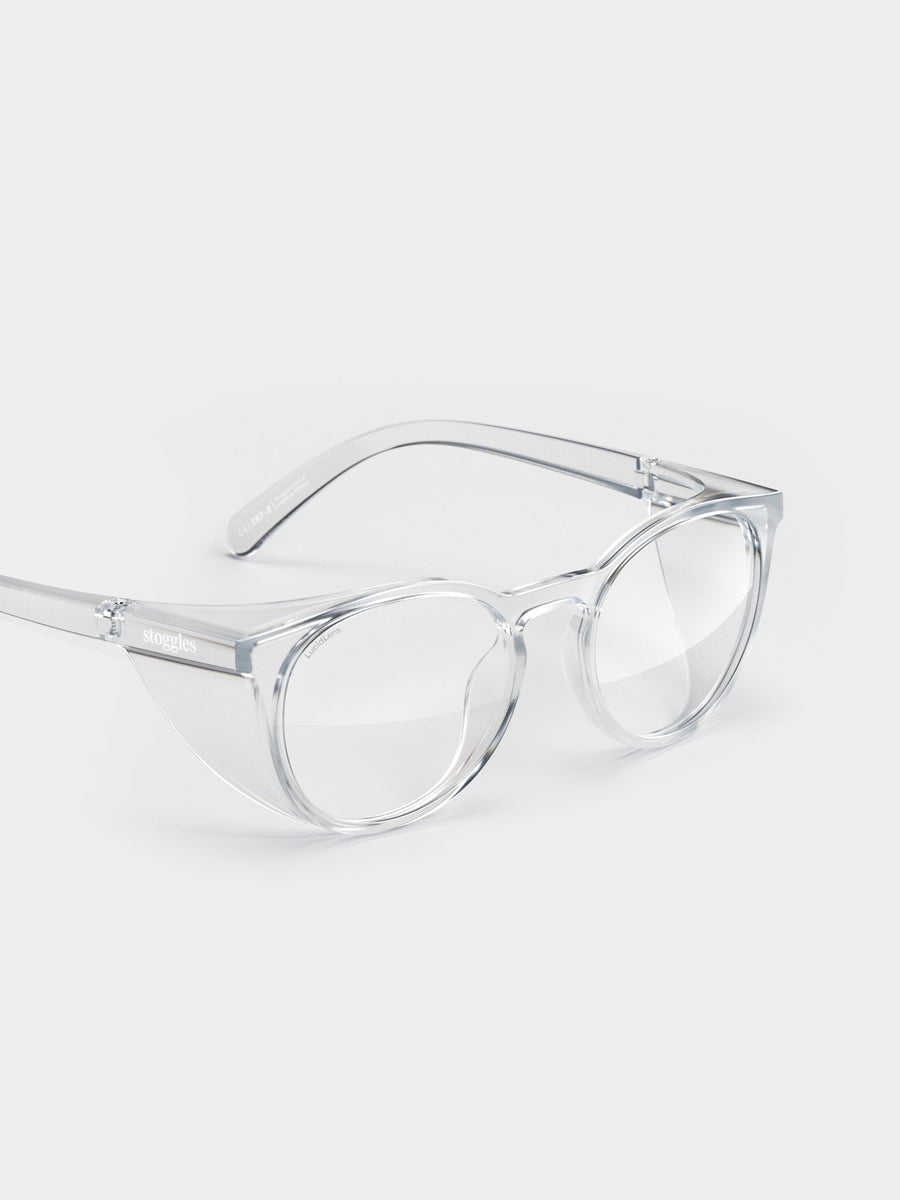
There's also the double-layer problem. If you already wear prescription glasses and need reading magnification on top of that, stacking two frames is uncomfortable and creates real issues with fogging, peripheral vision, and fit. Prescription reading glasses solve this cleanly,
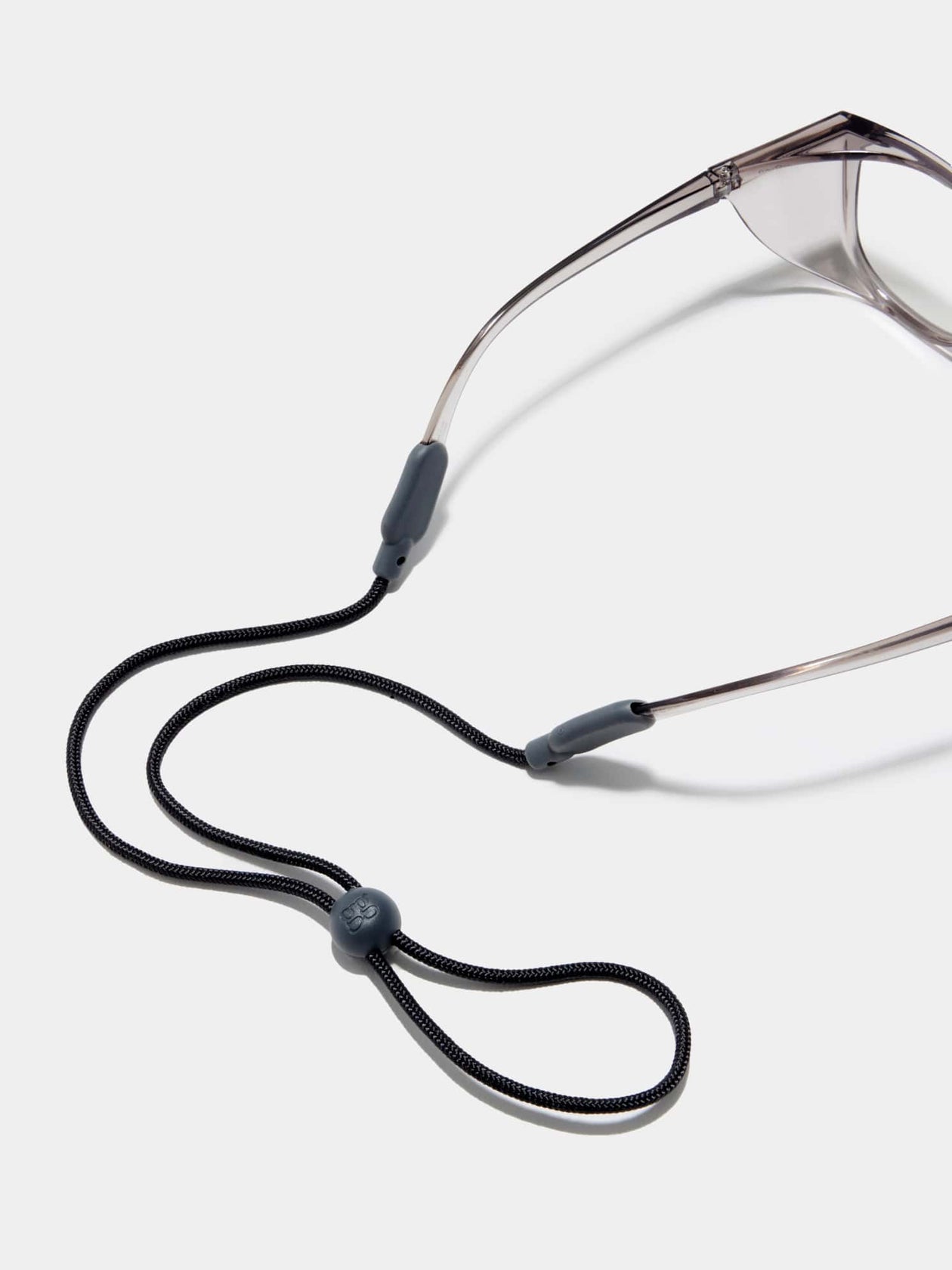
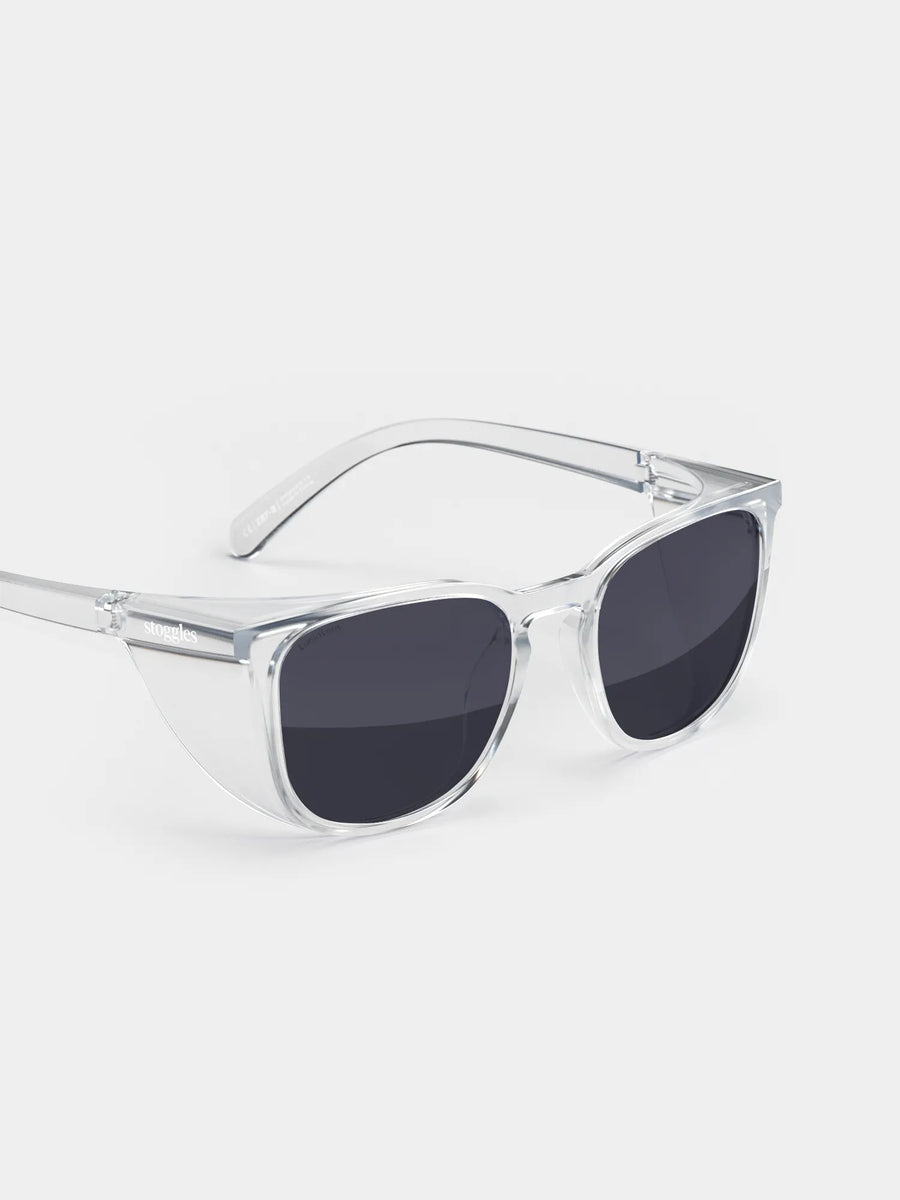
putting your exact correction into a single pair of frames. That’s why we built Stoggles: prescription-compatible safety readers for people who need both correction and protection without the awkward layering.
Reading Glasses and Eye Safety: The Overlooked Factor

Standard reading glasses, whether from a drugstore or a boutique, offer zero impact protection. Yet the tasks people commonly wear readers for, cooking, home improvement, gardening, handling tools, carry a real eye risk. Around 800,000 eye injuries occur in the U.S. each year, and the vast majority are preventable with proper protective eyewear.
ANSI Z87.1-2020 certification means that lenses and frames have passed rigorous impact-resistance testing. Standard readers skip this entirely. Most also skip UV protection and blue-light filtering, two features that matter for long-term eye health, especially if you spend hours reading on screens or in bright light. Your readers should do more than help you see the fine print.
Clear Vision, Real Protection
Reading glasses should make close-up vision easier without leaving your eyes exposed. Stoggles combines correction, comfort, and safety into a single wearable frame, so you do not have to layer readers under protective eyewear or settle for less coverage. For help choosing the right option, contact the Stoggles team.