
Anti-Glare Glasses: What AR Coating Actually Does

Glare has a way of showing up at the worst times. Headlights shine straight into your eyes on the drive home. Overhead lights turn your screen into a mirror. Then someone's ring light on a video call makes your lenses sparkle like tiny disco balls. It gets old fast.
When people hear "anti-glare glasses," many assume the lenses somehow block all light. What these glasses do is simpler than that, and a lot smarter.
In this blog, we break down what an AR coating does, the day-to-day benefits you notice, how it compares to blue-light filtering, and where it fits into keeping your eyes safe.
What Anti-Glare Glasses Actually Are
Anti-glare glasses are regular lenses with a treatment added on top. The lenses themselves are nothing special. The treatment is applied in a thin layer on the surface, which reduces reflections and glare.
You'll also run into the term "anti-reflective coating glasses." Good news: that phrase and "anti-glare" mean the same thing. Anti-glare, anti-reflective, same coating, same job. It's a microscopic addition that changes how you see.

How AR Coating Works (Without the Physics Headache)
Here's the short version. Light hits a lens. Some passes through to your eyes, and some bounces back as reflections. Those reflections are the glare that drives you up the wall.
AR coating stacks several ultra-thin layers on the lens. Each layer cancels out specific reflections, so the light keeps moving through instead of bouncing back at you. The coating treats both the front and back of the lens, so light coming at you from behind is handled too. The payoff: more light reaches your eyes, and less glare gets in the way.
The Real Benefits We Notice Day to Day

The theory is fine, but the daily wins are what matter. Once you have AR coating on your lenses, a few things change quickly.
-
Night driving: Fewer headlight halos and less starburst off streetlights, so the road stays clearer.
-
Screen time: Less eye strain during long stretches at your monitor or phone.
-
Sharper vision indoors: Better contrast and crisper detail under bright lighting.
-
Actual eye contact: People see your eyes rather than a ceiling reflection.
These AR coating benefits stack up whether you're working, driving, or on your fourth video call of the day.
Where Anti-Glare Really Earns Its Keep
Some settings turn glare into a full-time nuisance, and that's where the coating pulls its weight. A few jobs and spaces practically beg for it.
-
Medical pros: Hospitals and labs run on bright, unforgiving lighting. AR coating keeps your view clear during close, precise work.
-
Workshops and job sites: Harsh overhead lights throw reflections while you're trying to focus.
-
Desk work: Fluorescent tubes and ring lights love to bounce off lenses all day.
-
Outdoor tasks: Reflective surfaces like metal, water, or glass fling glare right back at you.
Anti-Glare vs. Blue Light: Not the Same Thing

People mix these up constantly, so let's sort it out. Blue light filtering targets the blue wavelengths coming off screens and devices. Anti-glare deals with reflections and glare bouncing off your lens surfaces. Two separate jobs.
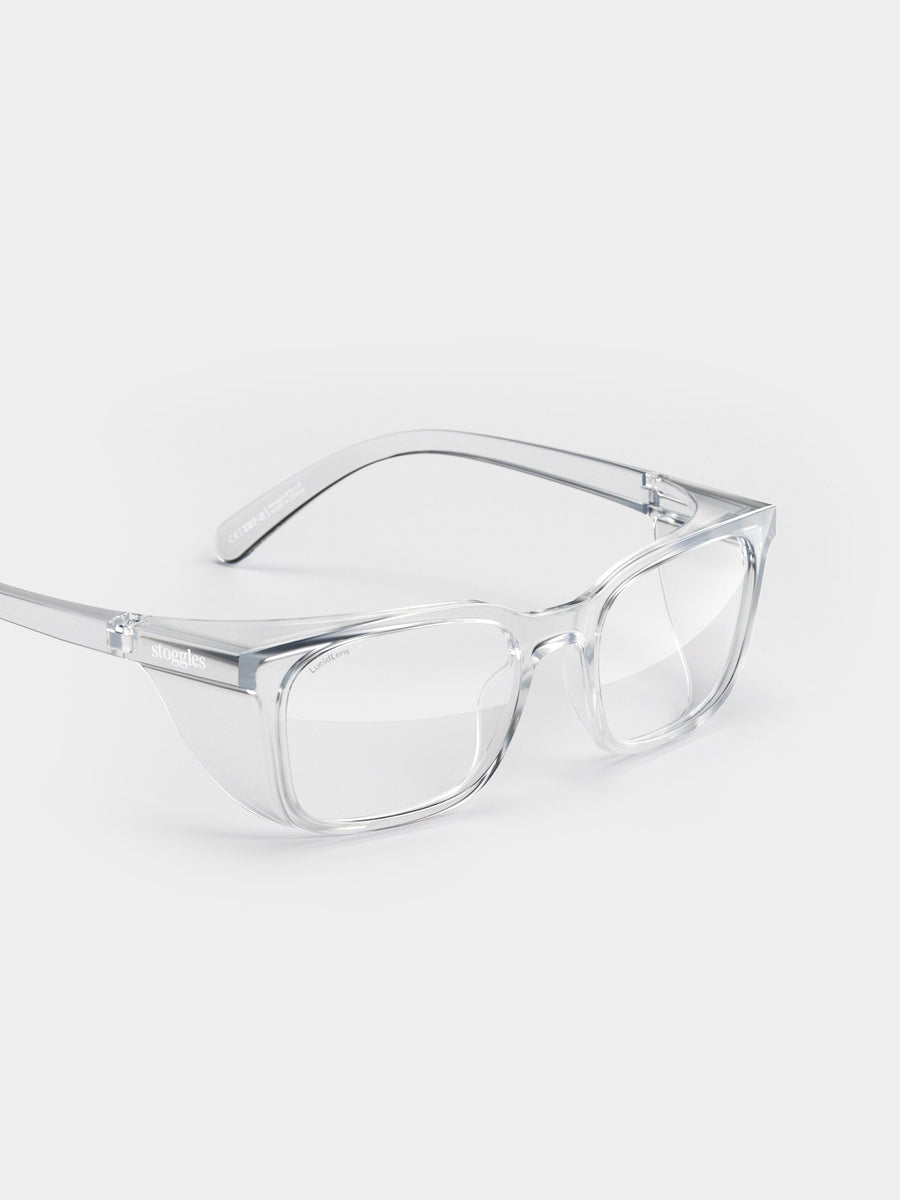
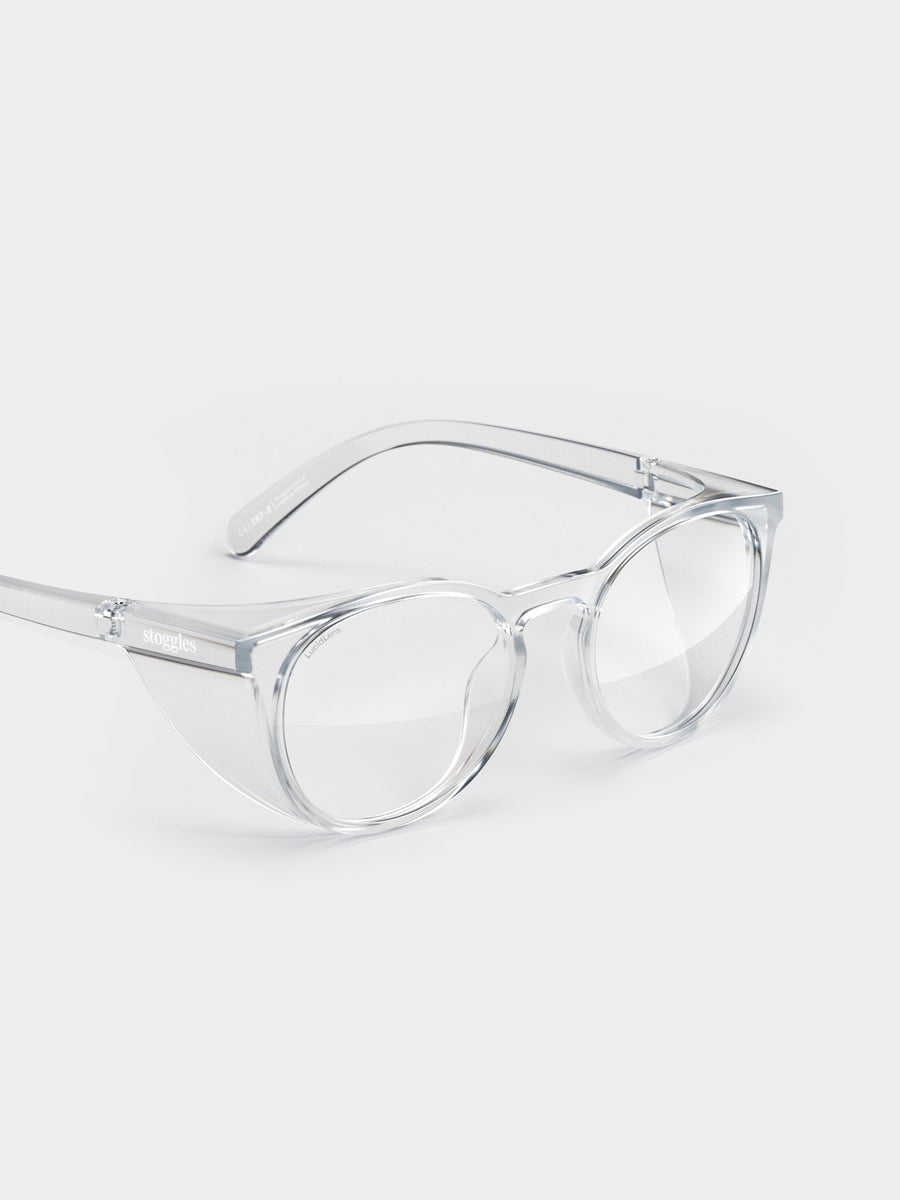
The good part? You don't have to pick one. A single lens can do both. Our Stoggles lenses combine blue light protection and glare-fighting, so you get screen comfort and cut glare in the same pair. That's the whole answer to the anti-glare vs. blue-light glasses question. You get both.
Are Anti-Glare Glasses Worth It?
If you drive at night, stare at screens, or work under bright lights, the coating pays off fast. That covers most of us these days.
There's one trade-off worth naming. AR-coated lenses show smudges more, so you'll clean them a little more often. Small price for the clarity. And clarity ties into safety. The CDC reports around 2,000 workplace eye injuries a day in the U.S., and most are preventable with the right protective eyewear. When your vision stays clear and free of glare, you spot hazards sooner and work with fewer distractions. So when someone asks whether anti-glare glasses are worth it, the answer leans hard toward yes.
Keeping AR-Coated Lenses in Top Shape
AR coating lasts, but it likes to be treated well. A little care keeps your lenses clear for the long haul.
-
Clean them with a microfiber cloth and lens spray.
-
Skip your shirt, paper towels, and harsh cleaners. They scratch the coating and wear it down.
-
Pair AR with an anti-fog coating so your lenses stay clear and free of glare when temperatures swing.
-
Store your glasses in a case so they don't rub against keys, tools, or your desk.
Treat them right, and the coating keeps doing its job for years.
FAQs
Are anti-glare and anti-reflective coatings the same?
Yes. They're two names for the same thin coating that reduces reflections and glare on your lenses.
Does anti-glare coating block blue light?
No. Anti-glare handles reflections, and blue light filtering is a separate feature. Plenty of lenses include both.
Can anti-glare coating wear off over time?
It can if you clean it with rough cloths or harsh cleaners. Proper care keeps it working for years.
Cut the Distractions. Keep the Protection.
Clear vision matters most when you’re actually trying to get something done. Stoggles brings everyday comfort together with impact-tested protection, side shields, anti-fog performance, and eyewear made to stay on through work, projects, and everything in between.
If your current glasses are causing fogging, poor coverage, or uncomfortable safety frames all day, explore Stoggles safety eyewear and switch to protection designed for clearer, more comfortable wear.