
Anti-Fog Lens Treatments: Which Ones Actually Last and Which Wash Off After a Week

Picture this. You grab a hot coffee, walk from a cold parking lot into a warm building, and your lenses turn milky white. Now you're standing there blind, patting the air like you dropped your keys. Add a mask on top of that, and it's a total whiteout. Fog has a real gift for showing up at the worst possible times.
Here's what stings. Some anti-fog treatments for glasses quit on you after a couple of days, while others hold on for months. The difference lies in the treatment, how they are applied, and the tech behind their attachment to the lenses.
In this blog, we break down every type of anti-fog fix, which ones last, which wash off fast, and how to keep your lenses clear for good.
Why Our Glasses Fog Up in the First Place
Fog is warm, humid air meeting a cooler lens. When that moist air hits the cold surface, it condenses into tiny water droplets. Those droplets scatter light every which way, and your view turns into a gray blur.
The triggers are everywhere. Face masks push warm breath up. You step from a cold room into a warm one. You sweat mid-workout, or steam rolls off the stove. For safety eyewear, this hits harder. Poor vision doesn't just put your eyes at risk; it throws off how the rest of your body reacts to what's around it, like a hand slipping out of place while running a power tool.

The Main Types of Anti-Fog Treatments We Can Use
Every anti-fog fix falls into one of two categories: surfactants or hydrophilic coatings. Sprays, wipes, and gels are surfactants, and they all work the same way, just at different thicknesses. Factory-applied coatings work differently. Instead of lowering the water's surface tension, they make the lens surface hydrophilic, so it attracts and absorbs water into a thin film rather than letting droplets sit on top and scatter light.
The catch is how well each one sticks. Surfactants sit on the surface and wear off with handling. Coatings bond to the lens itself. That's the whole story here: temporary fixes versus lasting protection. The best anti-fog solution depends on how often you need to see clearly.
Sprays and Wipes (The Reapply-Every-Few-Hours Crowd)
Sprays and wipes work as surfactants. They lower the surface tension of water so it spreads into a thin film instead of beading up into fog. You apply it, and your lenses stay clear for a bit. They're cheap and easy to toss in a bag, which makes them handy for the occasional fog fix on the go. The catch is they wash off during regular cleaning and fade within a few hours.
Gels (The Messier Middle Ground)
Gels and balms create a thicker layer, so they hang around a little longer than sprays. The trade-off is mess. Go heavy with the application, and it leaves streaks that smear across the lens, which sort of defeats the point.
Factory-Applied Anti-Fog Coatings (The Long Haulers)
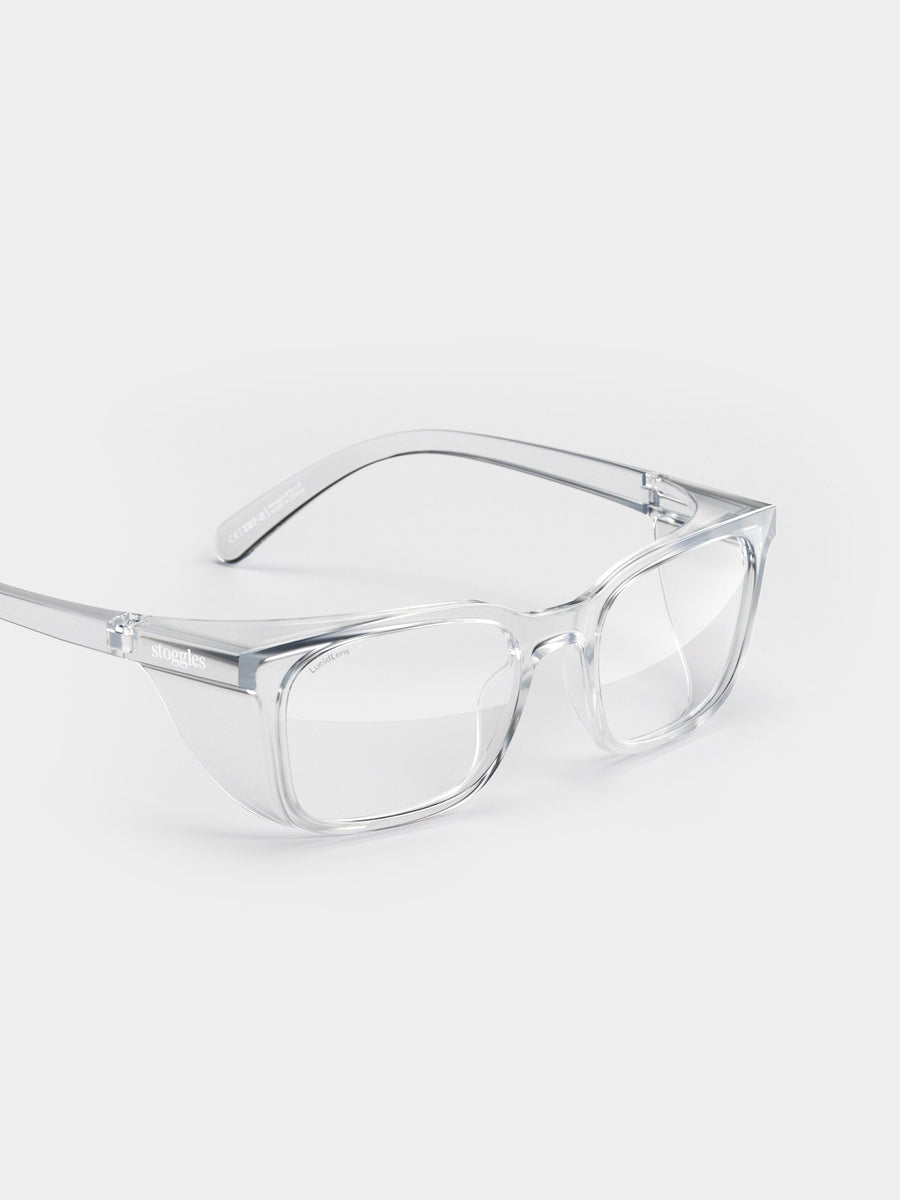
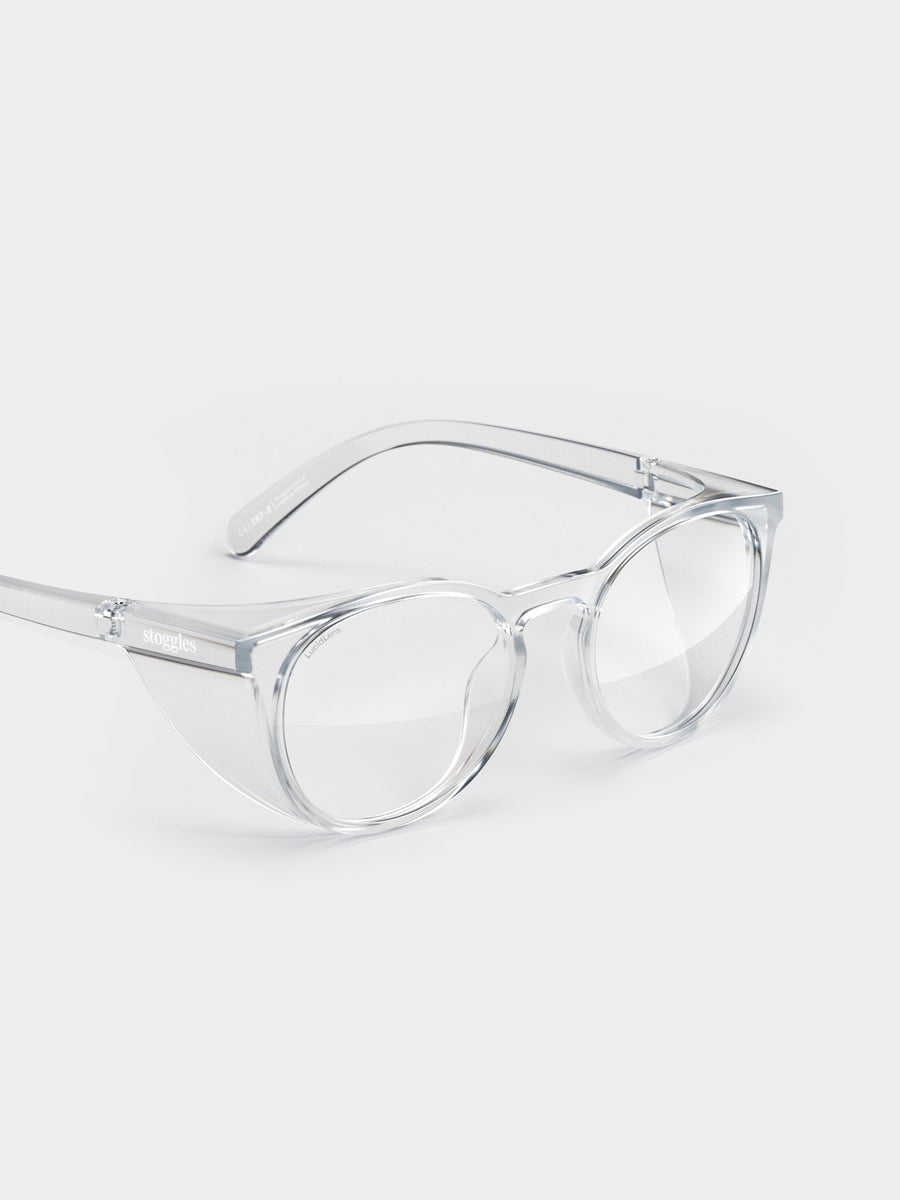
These coatings bond to the lens itself rather than sit on top of it, which is why a dip-coated lens outlasts anything you brush or spray on. Most factory coatings are purely hydrophilic. Stoggles' LucidLens™ coating goes a step further: it's a dip-applied formula that's both hydrophobic and hydrophilic, so the lens repels some moisture and absorbs the rest, rather than relying on a single mechanism. That's also why it goes on thicker than a standard coating. No daily reapplying. No scrambling for a wipe halfway through your shift.
Anti-Fog Lens Spray vs Coating: The Honest Comparison

Let's line them up. The anti-fog lens spray vs. coating question comes down to three things: lifespan, cost, and upkeep.
-
Spray: Cheap upfront, temporary, needs reapplying every few hours or days depending on usage.
-
Coating: Costs more at first, lasts much longer, and requires less maintenance.
If you do weekend DIY a couple times a month, a spray has you covered. Pull daily lab shifts or long days on a job site, though, and a dip coating saves you the constant hassle and pays for itself fast.
Which Treatments Actually Last (And Which Wash Off Fast)
Here's the honest ranking on staying power:
-
Single-use wipes: A few hours, sometimes less with heavy use.
-
Sprays: Similar range, a few hours up to a day with careful reapplication.
-
Dip coatings like LucidLens™: Long-lasting, typically a year or more with proper care.
No anti-fog coating is truly permanent, but a bonded coating comes closest.
Washing with harsh cleaners, heat, and scrubbing chip away at all of them. The more you clean a sprayed lens, the faster the coating comes off. Dip coatings hold up because they're thicker, not lightly resting on the surface waiting to rub away.
What Wears Anti-Fog Down Faster Than We Expect
A handful of everyday habits kill your anti-fog before its time. Harsh cleaners and paper towels strip the layer right off. Paper is rougher than it looks, and household sprays dissolve the coating.
Higher temperatures and hot water break down the coating, too. So does leaving your lenses baking on a hot dashboard or jammed into a tight case. Most people wreck their anti-fog without noticing, one rough wipe at a time.
How to Make Glasses Anti-Fog For Longer

Truly permanent doesn't exist, but you can get close. The trick to making anti-fog on glasses last longer starts with the lens itself. Pick one with a bonded anti-fog coating from day one, rather than relying on add-ons.
From there, keep that coating healthy:
-
Clean gently with a microfiber cloth and lens-safe solution.
-
Skip the internet "hacks" like using spit or dish soap, which eat away at coatings.
-
Store your glasses somewhere cool, not on a hot dash.
Stoggles applies this same approach with LucidLens™, our proprietary anti-fog dip coating that's both hydrophobic and hydrophilic, leaving a thicker layer than a standard single-mechanism coating, so clear vision comes standard rather than as an afterthought.
How We Keep Any Anti-Fog Treatment Working Longer
Whatever treatment you use, a few habits can extend its lifespan. Clean gently under warm water, store in a cool place, and avoid abrasive wipes. If you spray, reapply before the fog creeps back, not after you're already squinting. And match your treatment to your routine, because a sweaty daily warehouse shift needs more staying power than a once-a-month gardener.
Clear vision is a safety issue, not a vanity one. The CDC reports that about 2,000 U.S. workers suffer job-related eye injuries needing medical care every day, and most of those are preventable with proper eyewear. Fog-free lenses keep that protection working.
Temporary treatments earn their spot for quick, occasional jobs. For daily wear, though, a built-in coating wins out in comfort, long-term cost, and peace of mind. Clear vision and good style were never meant to be an either/or.
Frequently Asked Questions
Does anti-fog coating wear off?
Factory coatings last a long time. Sprays and wipes fade within hours or days, depending on the usage.
Is spray or a dip coating better?
Dip coatings last longer with less hassle. Sprays suit occasional use.
Can I make anti-fog permanent at home?
Not truly. Start with coated lenses and clean them gently with warm water.
Quit Wiping. Keep Seeing Clearly.
Stoggles applies a special anti-fog dip coating, both hydrophobic and hydrophilic, to protective eyewear made for temperature swings, long shifts, masks, warehouse work, and everyday wear. Skip the constant spraying, wiping, and reapplying and choose lenses designed to stay clearer when you actually need them.
If fog is already part of your daily routine, switch to Stoggles anti-fog safety glasses and spend more time seeing instead of wiping.